Digital Marketing Strategy: A Complete Guide for Growing Brands
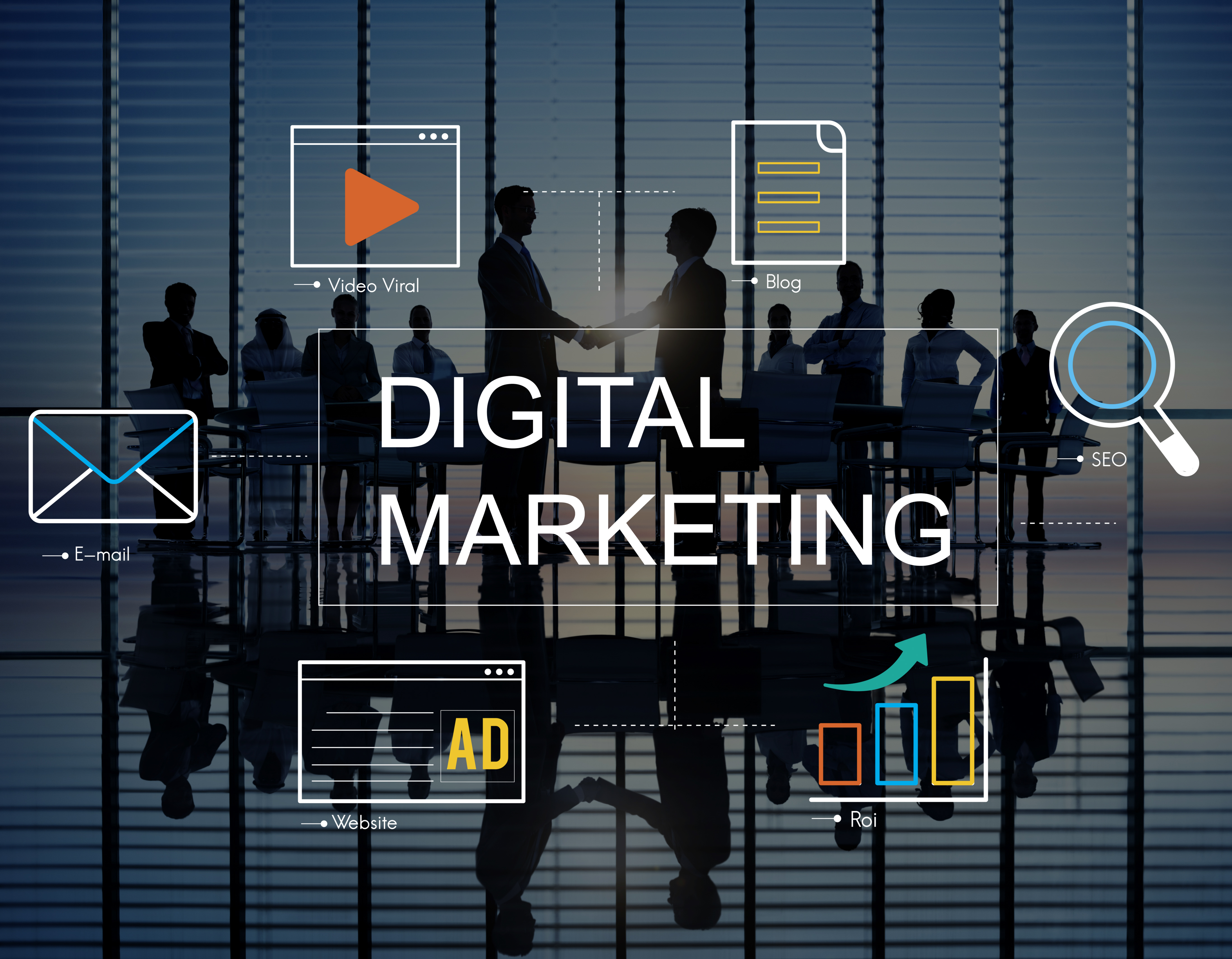
A strong online presence does not happen simply by posting on social media, running advertisements, or publishing blog content. Growing brands need a clear direction that connects marketing activities to specific business goals. This is where a well planned digital marketing strategy becomes important.
A digital marketing strategy helps a business understand who it wants to reach, where those customers spend time online, what messages are most relevant to them, and how marketing performance will be measured. Instead of treating every channel separately, it creates a structured approach that connects search, paid advertising, email, social media, websites, and other relevant activities.
For ecommerce and service based brands, the goal should not be to be everywhere. The goal is to identify the channels and tactics most likely to attract qualified visitors, generate leads, increase conversions, and support sustainable growth.
What Is a Digital Marketing Strategy?
A digital marketing strategy is a structured approach to using online channels to achieve defined business objectives. It explains what a company wants to accomplish, which audience it wants to reach, which channels it will use, and how success will be evaluated.
A strategy is broader than a digital marketing plan. The strategy establishes the overall direction, while the plan turns that direction into specific activities, campaigns, timelines, and responsibilities.
For example, a brand might have a goal of increasing qualified website traffic and online sales. Its strategy could combine organic search, paid advertising, email marketing, social media, and conversion focused website improvements.
The exact mix depends on the business, its audience, budget, competition, products or services, and stage of growth.
How Do You Create a Digital Marketing Strategy?
If you are asking how do you create a digital marketing strategy, start with business objectives rather than individual marketing channels.
1. Define Your Business Goals
Every effective strategy needs measurable objectives.
A business may want to:
Increase qualified website traffic
Generate more leads
Improve online sales
Increase conversion rates
Build brand visibility
Reduce customer acquisition costs
Improve customer retention
Try to connect marketing objectives with broader commercial outcomes. Getting more followers may be useful as a supporting objective, but increasing qualified leads or revenue is usually more meaningful.
Once the objective is clear, it becomes easier to decide which channels deserve investment.
2. Understand Your Target Audience
Audience targeting is one of the foundations of digital marketing.
You need to understand who your potential customers are, what problems they are trying to solve, what influences their buying decisions, and what questions they ask before purchasing.
Consider factors such as:
Demographics and location
Customer needs and pain points
Search behavior
Purchase intent
Preferred communication channels
Previous interactions with your business
Common objections before purchase
The more clearly you understand your audience, the easier it becomes to create relevant content, advertisements, landing pages, and email campaigns.
3. Analyze Your Current Digital Presence
Before building a new strategy, evaluate what is already working.
Review your website, organic search visibility, paid campaigns, social media presence, email activity, conversion paths, and existing customer acquisition sources.
Look for opportunities as well as weaknesses. A website may already receive significant traffic but have poor conversion rates. Another business may have strong paid advertising but limited organic visibility.
A detailed audit can reveal where improvements are likely to have the greatest impact. Added Marketing's approach includes reviewing areas such as domain performance, keywords, competitors, Google Business Profile visibility, and AI search visibility as part of its audit process. You can explore the company's SEO, AEO, and GEO services to understand how these areas can fit into a broader digital strategy.
Build Your Digital Marketing Plan
Once the research is complete, turn your findings into a practical digital marketing plan.
The plan should identify:
Marketing objectives
Target audiences
Priority channels
Key campaigns
Content requirements
Budget allocation
Expected outcomes
Measurement methods
Review periods
Avoid trying to launch everything simultaneously. Prioritize activities according to potential impact and available resources.
For example, a brand with strong search demand may prioritize SEO and content. A business with an established customer database may benefit from email marketing and re engagement campaigns. A company with a strong visual product offering may place greater emphasis on social media and paid advertising.
Choose the Right Channel Strategy
A channel strategy explains how different marketing platforms contribute to the customer journey.
Search Engine Optimization
SEO can help businesses build long term visibility through organic search. It involves improving website content, technical elements, authority, and relevance for searches that matter to the business.
For brands that depend on search visibility, SEO can also work alongside Answer Engine Optimization and Generative Engine Optimization. These approaches focus on improving visibility across emerging AI search experiences as well as traditional search.
If you want to understand how SEO fits into a wider growth strategy, the Added Marketing SEO service provides a useful reference for the type of search optimization offered by the agency.
Paid Advertising
Paid advertising can provide faster opportunities to reach targeted audiences.
Google Ads and Meta Ads can be useful when campaigns are supported by appropriate audience targeting, creative, landing pages, budget allocation, and ongoing optimization. Simply increasing advertising spend does not guarantee better results.
The objective should be to understand which audiences, messages, offers, and campaigns produce commercially valuable outcomes.
Email Marketing
Email can help businesses nurture existing prospects and customers rather than relying entirely on new traffic.
Depending on the business, campaigns may include welcome sequences, newsletters, nurture campaigns, re engagement messages, transactional communication, and personalized campaigns.
Segmentation is particularly important because different customers may be at different stages of the buying journey.
Social Media
Social media can support visibility, engagement, community building, and brand consistency.
The right platforms depend on where the target audience actually spends time. A business does not necessarily need to maintain an active presence on every platform.
A consistent content strategy combined with community management can be more valuable than publishing large volumes of disconnected content.
How AI Search Is Changing Digital Marketing
Digital marketing is no longer limited to traditional search results. People are increasingly using AI powered experiences to research businesses, compare products, ask questions, and discover recommendations. Google AI Overviews, ChatGPT, Perplexity, and Gemini are changing how information can be presented to users.
This does not mean traditional SEO is becoming irrelevant. Instead, brands now need to think about visibility across multiple search experiences and how their information is understood by both search engines and AI systems.
Google AI Overviews
Google AI Overviews can provide AI generated summaries directly within search results for certain queries. Instead of requiring users to visit multiple pages to understand a topic, the search experience can present a summarized answer along with relevant sources.
For brands, this means that appearing in traditional organic results is not the only consideration. The quality, relevance, and usefulness of the information available about a business can also influence how it is represented within evolving search experiences.
ChatGPT, Perplexity, and Gemini
AI platforms such as ChatGPT, Perplexity, and Gemini allow users to ask questions conversationally rather than relying only on short keyword searches.
Someone might ask an AI platform to recommend a service provider, compare different solutions, explain a product category, or identify businesses that meet specific requirements.
This creates another opportunity for brands to be discovered.
Businesses should therefore make sure their website clearly communicates what they offer, who they serve, the topics they specialize in, and the information customers need when evaluating their options.
AI Generated Recommendations
One important change is the growing role of AI generated recommendations.
A traditional search may present a list of websites, while an AI system may summarize information and recommend particular businesses, products, or services based on the user's question.
This makes brand visibility more than a ranking position. A business also needs to build a strong and consistent digital presence that gives AI systems useful information to understand the brand.
Entity Authority and Brand Mentions
Search engines and AI systems need to understand entities such as businesses, products, organizations, and people.
For a brand, this means establishing a consistent identity across its website and relevant third party sources.
Brand mentions, editorial references, industry publications, reviews, partner websites, directories, case studies, and other credible sources can help provide additional context around a business.
The objective is not simply to accumulate mentions. Relevance, accuracy, credibility, and consistency are more important than volume.
Citations and Structured Content
Citations can also contribute to how information about a brand is understood across the wider web. When credible sources reference a business, product, service, or area of expertise, they can provide supporting context beyond what is published on the company's own website.
The structure of your website content matters as well. Clear headings, direct answers, descriptive page titles, organized information, relevant internal links, and easy to understand explanations can make important information easier to interpret.
This is one reason SEO, Answer Engine Optimization, and Generative Engine Optimization increasingly overlap. A well structured website can provide useful information for both traditional search engines and newer AI search experiences.
Added Marketing offers SEO, AEO, and GEO services, helping businesses address search visibility across traditional and emerging search environments.
E-E-A-T and Trust Signals
As AI systems evaluate information from different sources, trust and credibility remain important considerations.
Brands can strengthen their overall digital presence by demonstrating real expertise, providing accurate information, maintaining consistent business details, publishing useful content, and showing evidence of experience.
Case studies, expert content, customer experiences, relevant third party mentions, and detailed service or product information can all contribute to a stronger picture of the brand.
The focus should be on genuinely useful information rather than trying to create content solely for search engines or AI systems.
Traditional Rankings Are No Longer the Only Visibility Metric
Traditional organic rankings remain an important part of digital marketing, but they are no longer the only way to think about search visibility.
A brand may appear in an organic result, an AI Overview, an AI generated answer, a recommendation, or a cited source. These different appearances can contribute to how potential customers discover and evaluate the business.
This means campaign measurement should evolve alongside search behavior.
Along with traditional metrics such as rankings, organic traffic, and conversions, businesses may also want to monitor brand mentions, AI search visibility, citations, and how their business appears for important conversational queries.
The goal is not to choose between SEO and AI search optimization. A stronger approach is to build a digital marketing strategy that supports visibility across the search experiences your audience is actually using.
Understand the Marketing Funnel
A marketing funnel helps explain how someone moves from initial awareness toward becoming a customer.
A simplified funnel includes:
Awareness: People discover the brand through search, social media, advertising, content, or other channels.
Consideration: Prospects research the business, compare options, read content, and evaluate whether the product or service fits their needs.
Conversion: The prospect takes a desired action, such as making a purchase, submitting a form, or booking a service.
Retention: Existing customers receive relevant communication and support that encourages continued engagement.
Your marketing should reflect these different stages. Someone discovering your brand for the first time should not necessarily receive the same message as someone who has already visited your website several times.
Website development also plays an important role because landing pages and funnels need to make it easy for visitors to understand the offer and take the next step. Added Marketing provides website development services that include responsive websites, landing pages, and funnels designed around conversion.
Develop a Customer Acquisition Strategy
A customer acquisition strategy determines how your business will attract and convert new customers.
Rather than relying on one source of traffic, consider how different channels can support each other.
For example, organic search may attract people actively researching a problem. Paid advertising can reach specific audiences and support promotional campaigns. Email can nurture existing prospects, while website visitor marketing can help businesses identify opportunities among people who have already interacted with their website.
The right combination depends on your audience and business model.
An important consideration is acquisition cost. A channel that generates many leads may not necessarily be the best channel if those leads rarely become customers.
Set Marketing KPIs Before Launching Campaigns
Campaign measurement should be established before campaigns begin.
Useful marketing KPIs may include:
Organic traffic
Qualified leads
Conversion rate
Cost per lead
Customer acquisition cost
Return on advertising spend
Revenue attributed to campaigns
Email engagement
Paid advertising performance
AI search visibility where relevant
The appropriate KPIs depend on the campaign objective.
For example, an awareness campaign may focus on reach and engagement, while a lead generation campaign should place greater emphasis on qualified leads and cost per acquisition.
Avoid measuring every available metric. Focus on the numbers that help you make better decisions.
Measure, Learn, and Optimize
A digital marketing strategy should not remain unchanged after launch.
Campaign performance should be reviewed regularly to identify what is working and what needs adjustment.
Testing can involve different audiences, messages, creative formats, landing pages, calls to action, keywords, or campaign structures.
For example, if an advertising campaign generates clicks but few conversions, increasing the budget may not solve the problem. The landing page, offer, audience, or message may need attention.
Likewise, if organic traffic is growing but commercial conversions remain low, the business may need to review search intent and the path from content to conversion.
Regular reporting creates a feedback loop between marketing activity and business outcomes. Added Marketing also presents results across multiple channels through its case studies, where examples include SEO, paid advertising, email marketing, visitor marketing, and other digital activities.
What Is a Good Digital Marketing Strategy?
So, what is a good digital marketing strategy?
A good strategy connects audience needs with business objectives and measurable outcomes.
It should be:
Customer focused: The strategy addresses real audience needs rather than simply promoting products.
Data informed: Decisions are supported by performance information, research, and testing.
Channel specific: Each channel has a defined purpose rather than being used simply because it is popular.
Conversion focused: Traffic and engagement ultimately support meaningful business actions.
Flexible: Campaigns can be adjusted when data shows that assumptions were incorrect.
Measurable: Clear KPIs make it possible to determine whether investment is producing meaningful results.
There is no universal strategy that works for every company. The strongest approach is usually the one built around the company's audience, competitive environment, resources, and commercial objectives.
Final Thoughts
A digital marketing strategy provides the structure behind successful online growth. It helps businesses move from disconnected activities to a coordinated approach where SEO, paid advertising, email, social media, websites, and emerging AI search experiences each have a defined role.
The process starts with clear goals and audience research, followed by channel selection, campaign planning, measurement, and continuous optimization.
Before investing heavily in new campaigns, it can be useful to understand where your current digital presence stands. Reviewing your search visibility, competitors, website performance, marketing channels, and AI search presence can help identify practical opportunities instead of relying on assumptions.
If you want to assess your current position and identify potential areas for improvement, you can book a free strategy session with Added Marketing and discuss your digital marketing goals with the team.
Frequently Asked Questions
What is the main purpose of a digital marketing strategy?
Its purpose is to connect business goals with the right online channels, audiences, campaigns, and measurable outcomes.
How long does it take to see digital marketing results?
The timeframe varies by channel. Paid campaigns can produce data quickly, while SEO and organic strategies generally require more time to build momentum.
Should a business use every digital marketing channel?
No. A business should prioritize channels that align with its audience, objectives, resources, and customer journey.
What services does Added Marketing provide?
Added Marketing provides SEO, AEO, GEO, paid advertising, email marketing, social media management, website visitor marketing, AI solutions, and website development.
Which KPIs should I track?
Track KPIs connected to your objective, such as qualified leads, conversion rate, customer acquisition cost, revenue, organic traffic, or advertising return.
Can digital marketing strategies be changed later?
Yes. Regular campaign measurement allows businesses to adjust budgets, channels, messaging, targeting, and other elements when performance data indicates a change is needed.
